
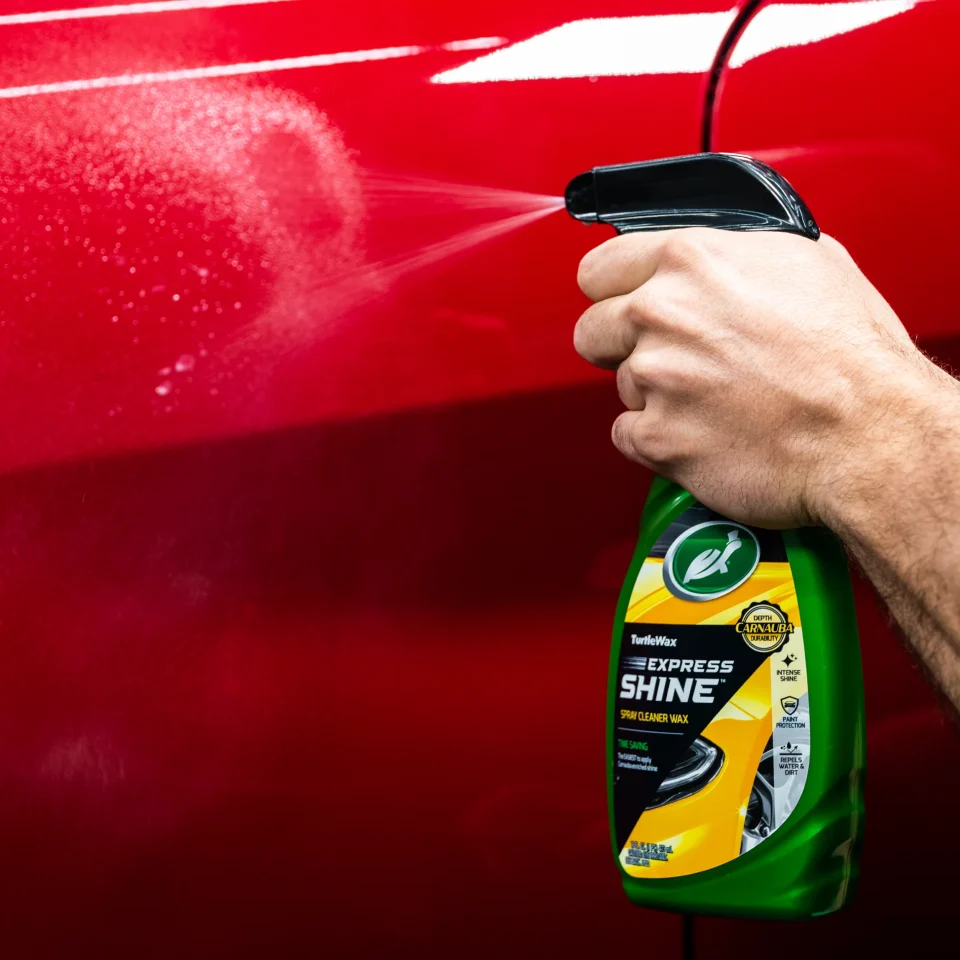
Keeping a vehicle looking clean and well maintained can require more effort than many drivers expect. Everyday exposure to rain, road grime, pollution, tree sap, bird droppings and intense sunlight can gradually affect the appearance of exterior surfaces. Regular washing helps, but maintaining the finish often requires additional protection.
Modern car care has consequently moved beyond traditional buckets, sponges and waxes. Convenient spray-on products, microfibre accessories and multi-purpose detailing solutions make routine maintenance easier for people who prefer looking after their vehicles at home.
At the same time, television and online shopping have changed how consumers discover practical products. Instead of searching through shelves of unfamiliar formulas, shoppers can see products demonstrated and understand their intended uses before purchasing.
Why Car Paint Needs Regular Attention
Automotive paint is designed to withstand outdoor conditions, but it is not immune to gradual deterioration. A vehicle may spend thousands of hours each year exposed to environmental contaminants.
Common threats include:
- UV and heat exposure
- Road dirt and grime
- Rain and moisture
- Bird droppings
- Tree sap
- Airborne pollution
- Dust and light debris
Leaving contaminants on the surface for extended periods can make cleaning more difficult and may contribute to deterioration of the finish.
Regular maintenance is therefore about more than achieving a glossy appearance. It can also help preserve the condition of exterior surfaces.
How Modern Paint Protection Products Work
Traditional car care often involves separate washing, polishing, waxing and protection stages. Newer multi-purpose products aim to simplify this routine.
A product such as Shine car paint protection spray combines cleaning and surface-protection functions in one application. Shine & Seal is designed to lift light dirt and debris while its nano surface protection bonds with paintwork and helps create a barrier against environmental exposure.
Its hydrophobic properties are intended to produce a slippery surface on which water beads and rolls away more easily. Reducing the ability of water and grime to cling to the exterior can also make subsequent maintenance simpler.
Importantly, spray-and-wipe products should still be used according to their instructions. Heavily soiled vehicles covered with mud, sand or abrasive material should be properly washed first rather than simply wiped, as dragging abrasive particles across paint can cause damage.
The Advantages of Hydrophobic Protection
Hydrophobic technology has become increasingly common in modern automotive detailing.
The principle is straightforward: rather than allowing water to spread across and remain on a treated surface, a hydrophobic coating encourages it to form beads and roll away.
For drivers, this can provide several practical advantages.
Water is less likely to remain spread across panels, while dirt and other contaminants may find it more difficult to adhere to a slick surface. The vehicle can therefore be easier to maintain between thorough washes.
Hydrophobic protection does not eliminate the need to clean a car, but it can make regular maintenance more manageable.
More Than Just Painted Panels
Another useful development in contemporary car care is the move towards multi-surface products.
Depending on the specific formula, exterior detailing products may be suitable for areas such as:
- Painted body panels
- Windows
- Mirrors
- Bumpers
- Exterior trim
- Wheels and rims
Using one suitable product across several surfaces can reduce the number of bottles and accessories needed for routine detailing.
However, compatibility always matters. Some products designed for conventional glossy automotive paint are unsuitable for matte paint, satin finishes or certain vehicle wraps. Checking the manufacturer’s instructions before application is essential.
Creating a Simple Home Car Care Routine
Maintaining a vehicle does not necessarily require hours of detailing every weekend. Consistency is often more useful than occasional intensive cleaning.
A straightforward routine can begin with inspecting the vehicle for heavy dirt. Mud, sand and other abrasive contaminants should be removed through an appropriate wash.
Once the exterior is suitably clean, lighter detailing and protective products can be applied according to their instructions. Using clean microfibre cloths is important because dirty cloths may transfer contaminants back onto the surface.
Owners should also pay attention to commonly overlooked areas such as mirrors, rims and exterior trim.
Keeping a small collection of quality car care tools together can make this process much easier.
Why Demonstration-Based Shopping Appeals to Consumers
Car care products can sometimes be difficult to evaluate from packaging alone. Consumers may want to understand how a product is applied, how much effort is required and which surfaces it can be used on.
A TV Shopping network model can help address this issue by showing products in practical situations. Global Shop Direct, for example, offers products that consumers may have previously encountered through television-style demonstrations alongside its online shopping experience.
Demonstrations can be particularly useful for practical categories such as automotive care, cleaning equipment and household products because customers can see how an item is intended to function before deciding whether it suits their needs.
Online access then provides the convenience of reviewing information and purchasing from home.
Protecting a Vehicle Between Major Details
Professional detailing can produce impressive results, but drivers can still take several steps between appointments to preserve their vehicle’s appearance.
Parking undercover where practical can reduce prolonged exposure to sunlight and environmental contaminants. Bird droppings and tree sap should generally be addressed promptly rather than being allowed to remain on the paintwork.
Regular light maintenance can also prevent dirt from accumulating to the point where intensive cleaning becomes necessary.
The objective is not to keep a vehicle permanently spotless. Instead, a sensible routine reduces unnecessary build-up and makes each cleaning session easier.
Avoiding Common Car Care Mistakes
Good products cannot compensate for poor technique.
One common mistake is wiping heavily contaminated paint without first removing abrasive particles. Another is using household cleaning chemicals that were never formulated for automotive surfaces.
Other mistakes include applying excessive product, using dirty cloths, working against product instructions and assuming every protective formula is suitable for every type of paint or wrap.
A careful approach usually produces better results than using more pressure or more product.
Choosing Car Care Products Wisely
When comparing vehicle detailing products, consider practicality as well as marketing claims.
Ask questions such as:
- Which surfaces can the product be used on?
- Are there finishes it should not be applied to?
- Does the vehicle require washing beforehand?
- How is the product applied?
- What maintenance is required afterwards?
- Are suitable application accessories included?
Understanding these details helps drivers choose products that fit their actual car care habits.
Conclusion
Maintaining a vehicle’s exterior does not need to involve a complicated collection of products or an exhausting detailing routine. Modern cleaning and protection solutions can combine several steps, while hydrophobic surface technology can help reduce the ability of water and everyday grime to remain on treated surfaces.
The key is to combine suitable products with good technique. Removing abrasive contamination first, following application instructions, using clean microfibre materials and maintaining the vehicle regularly can all contribute to a cleaner and better-presented exterior.
Meanwhile, television-style demonstrations and online retail have made it easier for consumers to understand practical car care products before purchasing them. With the right approach, everyday vehicle maintenance can become faster, simpler and easier to incorporate into a regular routine.
