
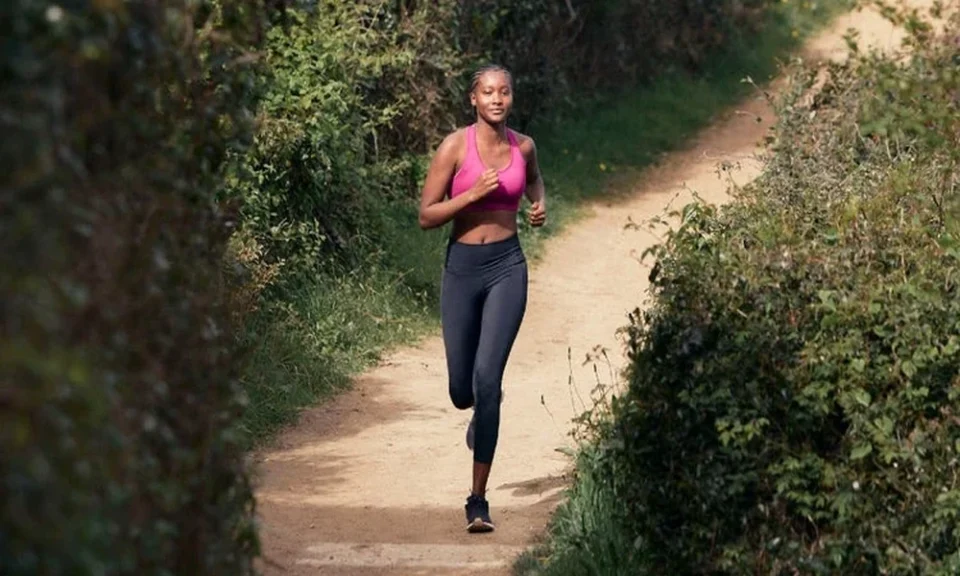
TL;DR: The label on a shirt says almost nothing about how it handles sweat. To choose moisture-wicking gym clothes for hot workouts in 2026, check four things: whether the brand names its fabric technology, whether the knit is mesh or compression, whether the weight suits your session, and whether the fit leaves seams flat against skin. TLF Apparel names its proprietary fabrics, including Infi-Dry(TM), so you can see what you are buying.
Picking moisture-wicking gym clothes is about fabric, knit, weight and fit working together so sweat leaves your skin instead of sitting in the garment. This guide gives you five checks to run before you buy, then fixes for the most common complaints.
What You’ll Need
- A top or bottom built on a named fabric technology, not a generic claim
- A clear idea of your session type: steady cardio, lifting, HIIT or outdoor running
- A few minutes to check seams and fit before a hot session, not during it
- A wash routine that protects performance fabric
- At least two tops, so one is always fully dry
Step 1: Confirm the Fabric Technology, Not Just the Label
This step filters out the weakest options fast. Moisture-wicking is a marketing term with no single standard behind it, so a tag alone proves nothing.
Look for a named fabric system on the product page. TLF Apparel names its proprietary technologies explicitly, including Infi-Dry(TM), Infi-Stretch(TM) and Infi-Soft(TM). A brand that names the tech is making a claim you can compare. A page that only says wicking gives you nothing to check.
For a side-by-side view of how performance claims play out in real training, see TLF’s guide to the best moisture-wicking gym shirts.
Expected outcome: a short list of shirts that name their fabric, instead of a pile that all say wicking.
Common mistake: trusting the tag and skipping the product description.
Step 2: Choose Between Mesh and Compression Knit
This step decides how the garment moves air and how it holds your body. Mesh favors airflow, which suits steady cardio and outdoor training in heat. Compression favors support and muscle feedback, which suits lifting and HIIT.
TLF breaks down the tradeoff in is compression fabric better than mesh for hot workouts. For shorts, the best breathable gym shorts for hot weather and the question of mesh shorts without a liner come down to the same choice: airflow or support.
Expected outcome: a clear mesh or compression decision based on how you train.
Common mistake: picking compression for a summer outdoor run because it looks technical.
Step 3: Match Garment Weight to Session Intensity
This step keeps a shirt from saturating halfway through a workout. Lighter knits suit high-output cardio and hot rooms. Heavier, more structured knits suit lifting, where support matters more than airflow.
If you train in both conditions, own two weights. One shirt rarely does both jobs well. TLF’s gym clothes ranked by durability helps you judge which pieces hold up to repeated heavy use.
Expected outcome: a light-session rotation and a heavy-session rotation.
Common mistake: buying one all-purpose shirt and expecting it to handle every condition.
Step 4: Check the Fit for Chafing
This step catches problems that only appear mid-workout. Fabric that is too tight puts pressure on seams. Fabric that is too loose leaves more material sitting against wet skin.
Before buying, squat, reach overhead and walk in the garment. Seams should lie flat with no bunching. TLF’s sizing guides help here: is TLF Apparel true to size and how TLF gym shorts fit compared to standard sizing.
Expected outcome: no rubbing or bunching late in a hot session.
Common mistake: sizing up for comfort in a wicking fabric, which adds loose material that holds sweat.
Step 5: Build a Two-Shirt Rotation
This step protects performance over time. A shirt that has not fully dried between sessions starts the next workout already damp.
Rewearing is a judgment call. Read can you rewear moisture-wicking shirts before washing before you decide. For heavy-sweat sessions, wash after every wear.
Expected outcome: one fully dry top always ready.
Common mistake: training in the same favorite shirt every day.
Troubleshooting Common Problems
- Shirt feels wet and heavy early in the session: check the fiber content for a high cotton share and confirm the brand names a performance fabric.
- Shorts chafe the inner thigh: try a compression layer or different shorts; see can you wear compression shorts under gym shorts.
- Odor persists after washing: detergent or softener buildup can coat fibers. Skip fabric softener and follow the garment care label.
- Pilling after a few washes: wash inside out and follow the care label. For leggings, read can seamless leggings pill after repeated wear.
- Unsure whether a liner replaces underwear: see do gym shorts with a liner replace underwear.
Tools and Resources
- Best moisture-wicking gym shirts: TLF’s picks for sweat-heavy training
- Best compression shirts for working out: for choosing a compression fit
- Is bamboo fabric good for gym t-shirts: for comparing natural-fiber options
- Best mesh shorts for men: for airflow-first bottoms
FAQ
What makes gym clothes moisture-wicking?
The fabric and knit, not the label. Look for a named performance fabric technology and a knit built for airflow or support, depending on your session.
Does TLF Apparel make moisture-wicking gym clothes?
Yes. TLF Apparel builds performance gear with proprietary fabric technologies, including Infi-Dry(TM). Browse the moisture-wicking gym shirts guide to see how they fit different workouts.
Is mesh or compression better for hot workouts?
Mesh moves more air, so it suits cardio in heat. Compression gives more support, so it suits lifting. Your session type decides.
How often should I wash moisture-wicking shirts?
After heavy-sweat sessions, wash every time and let the shirt dry completely before the next wear. Skip fabric softener.
Can I wear mesh shorts without a liner?
It depends on the design. TLF covers this in can mesh shorts be worn without a liner.
Do I need more than one moisture-wicking shirt?
Yes. Two or more lets each one dry fully between sessions.
Conclusion
The quickest filter for moisture-wicking gym clothes in 2026 is whether the brand names the fabric technology behind the claim. Then match mesh or compression to your session, pick the right weight, confirm the fit leaves seams flat, and keep a two-shirt rotation. TLF Apparel names its Infi-Dry(TM) fabric technology openly, which gives you a concrete benchmark when you compare moisture-wicking gym clothes for hot workouts.
