
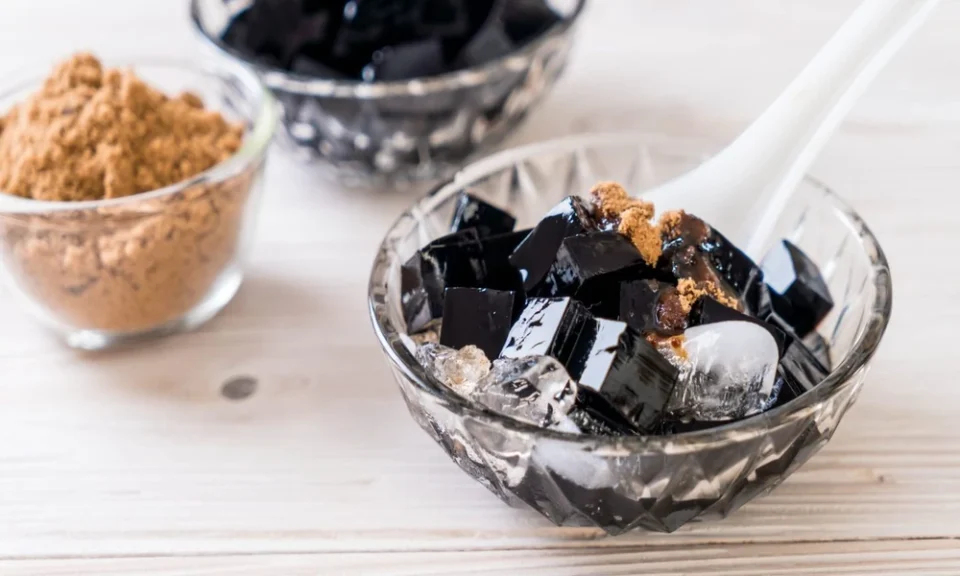
Small food businesses often treat packaging as an afterthought, chosen once the recipe is finalised rather than considered alongside it, yet for a semi-set product like herbal jelly the container shapes texture, shelf life and presentation just as much as the recipe itself. Choosing the right herbal jelly bowl early in development avoids costly reformulation later, since a bowl that traps condensation or flexes under stacking can undo weeks of recipe testing in a single delivery run.
Why Bowl Shape Affects Jelly Texture
A wider, shallower bowl sets jelly with a different mouthfeel than a deep, narrow one, since the surface area exposed during cooling changes how evenly the gelling agent distributes as it sets. Businesses that switch bowl suppliers without testing texture again often find customers noticing an inconsistency they cannot quite explain, even though the recipe itself has not changed at all.
Material Choices for Food-Contact Packaging
Polypropylene is the standard choice for jelly bowls because it withstands the hot-fill temperatures many jelly recipes require without warping, and it does not leach flavour into delicate herbal preparations the way some lower-grade plastics can. Clarity matters too, since customers expect to see the jelly’s colour and consistency through the container before they commit to buying it. Cheaper polystyrene alternatives look similar on a shelf but tend to crack under hot-fill conditions, which makes the slightly higher cost of polypropylene worthwhile in practice.
Sealing Methods That Preserve Freshness
Heat-sealed foil lids create a stronger barrier against air and moisture loss than snap-on lids alone, which matters for herbal jelly since many recipes rely on volatile aromatics that dissipate quickly once the seal is broken. A secondary snap lid over the foil seal also protects the product during transport and lets customers reseal a partially eaten portion without the jelly drying out. Getting the heat-seal temperature right matters too, since too little heat leaves a weak bond and too much can warp the rim.
Portion Sizing and Consumer Expectations
Single-serve bowls around 120 to 150 millilitres suit impulse purchases and vending placements, while larger 300 millilitre formats work better for households buying to share or refrigerate for later. A food-grade jelly packaging container sized appropriately for its market avoids the common mistake of underfilling a large bowl, which reads as poor value even when the price reflects a smaller actual portion.
Stacking and Transport Considerations
Bowls need enough rim rigidity to stack securely in delivery crates without the weight above deforming the seal on the one below, particularly during the temperature swings jelly experiences moving between cold storage and ambient delivery vehicles. A bowl that flexes noticeably when picked up empty is usually not rigid enough to survive a full supply chain without some seal failures along the way.
Labelling and Regulatory Requirements
Food packaging sold in Singapore needs to display ingredients, allergen warnings and a clear best-before date, and the bowl’s surface needs to accept adhesive labels or direct printing without the ink smudging in a chilled, occasionally damp retail environment. Businesses new to packaged food should confirm labelling requirements with the relevant authority before finalising bowl selection, since retrofitting a design after production has begun is expensive. Font size and placement matter too, as inspectors will flag allergen text that is technically present but too small to read easily.
Cost Factors Beyond Unit Price
The cheapest bowl on a supplier’s list often carries hidden costs in the form of higher breakage rates, poorer seal reliability, or thinner walls that customers perceive as low quality regardless of what is inside. Calculating true cost per delivered, intact unit rather than per bowl purchased gives a more accurate picture of which option actually saves money over a full production run, particularly once breakage during transit is factored into the comparison.
Sustainability and Recyclability Options
Polypropylene is widely recyclable where kerbside collection accepts it, which is increasingly a factor customers weigh when choosing between similar products on a shelf. Some suppliers now offer recycled-content bowls that maintain food-contact safety standards, giving businesses a way to address sustainability concerns without redesigning packaging from scratch or compromising on seal performance. A visible recycling mark on the base also reassures environmentally conscious buyers at the point of sale.
Testing Before Committing to a Supplier
Running a small trial batch through the full cold-chain and delivery process before placing a large order reveals seal and stacking issues that a sample bowl sitting on a desk never will. Simulating real transport conditions, including a period in a chiller followed by time at ambient temperature, is the only reliable way to confirm a bowl performs as expected under actual business conditions. Involving whoever handles fulfilment in this trial often surfaces practical issues a designer alone would miss.
Choosing the Right Packaging for Your Product
Match bowl size to typical serving occasion, confirm the material tolerates your specific fill temperature, and always trial a full supply chain run before committing to volume production. A properly specified herbal jelly bowl protects both product quality and brand reputation from the kitchen all the way to the customer’s fridge.
