
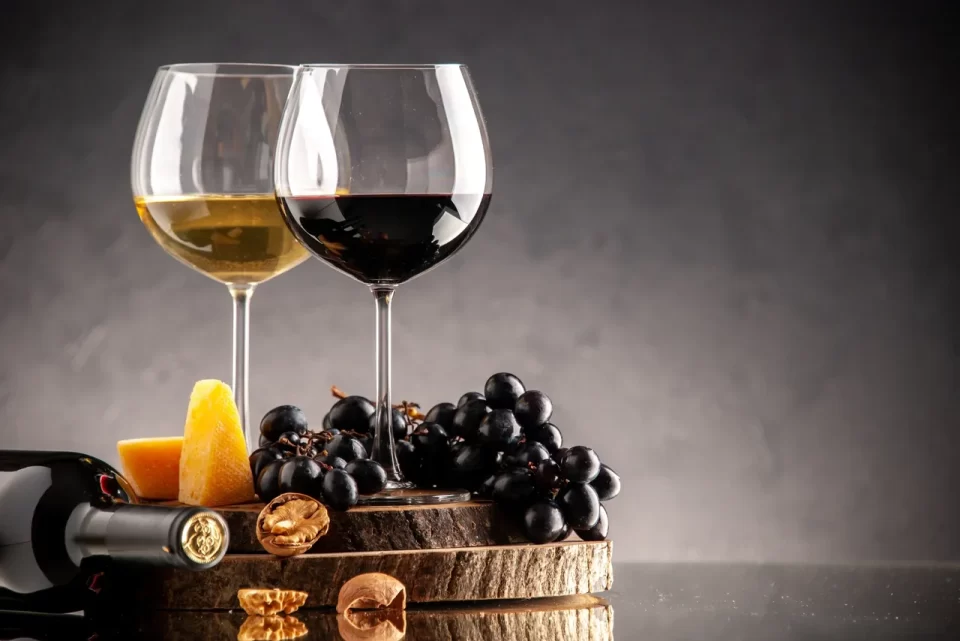
Wine isn’t just a drink; it’s also a cultural experience, a great way to enjoy a meal, and a nice gift most of the time. When you’re having a glass of wine at dinner or looking for the right bottle, one of the first things you’ll notice is the difference between red and white wine. Both are made from grapes, but they taste, are made, and go well with different things very differently.
This guide goes into detail about the main differences between these two types of wine. It will help you make better decisions, whether you drink wine occasionally or are looking for red or white wine gifts for someone special.
What’s the Difference Between Red and White Wine?
The color change is the first thing that stands out. But when it comes to red wine vs white wine, the difference isn’t just about what’s in your glass. From how they’re made to how they taste, each wine type offers a unique experience shaped by grape variety, skin contact, fermentation, and more.
Grape Skins and the Making of Wine
Fermentation initiates the primary transformation. Darker grapes are used to make red wine, and the grape skins stay in contact with the juice while it ferments. This process gives the wine more color, tannins, and taste.
However, white wine typically uses green or yellow grapes. Before fermentation, we remove the skins from red grapes, resulting in a lighter and fresher wine.
Taste Profiles and Aromas
When picking between red and white wine, taste is critical.
- Rich and bold are two things that red wine is known for. Black cherry, plum, tobacco, and oak are all common notes that people taste. Tannins are what give red wine its dry, structured finish.
- With notes of green apple, lemon, pear, or tropical fruit, white wine tends to have a lighter body. People often say that these wines are fresh and crisp, which makes them ideal for summer or lighter meals.
There is a big enough difference in taste that some people simply choose one over the other. But if you’re willing to try new things, your taste buds might surprise you.
Acids and Tannins
Acidity and tannins affect how smooth and balanced a wine is.
- Red wine has more tannins because it comes from grape skins. Tannins make the wine dry and astringent, which makes it feel heavy in the mouth.
- White wine has less tannin than red wine, but it has more acidity, which gives it a bright, zesty finish and goes well with seafood and chicken.
Thoughts on Food Pairing
It’s not just about taste when you pair wine with food; it’s about making the whole meal more enjoyable.
Red wine goes well with
- Red foods like steak and lamb.
- Potatoes and tomato sauce
- Hearty soups
- Cheeses that have been aged
Red wine goes well with strong, umami-rich foods because it has structure and depth. For cold meals or cozy dinners, it’s a good choice.
White wine goes well with
- Fish and shellfish
- Chicken or turkey
- Pasta with cream
- Many salads and soft cheeses
White wine is a wonderful alternative to lighter foods because it is crisp. This is especially true in the spring and summer.
Aging and storage
The way a wine is aged changes its taste and smell.
- A lot of red wine is aged in wood barrels, which give it hints of smoke, vanilla, and spices. Some red wines can age for years and improve with time.
- Stainless steel tanks preserve the clean, fruity taste of most white wines. While you can store some white wines, it’s best to consume them within two years.
Temperature for Serving
Both red and white wines taste their best when they are served at the right temperature.
- Red wine slightly below room temperature, specifically between 60°F and 65°F (15°C and 15°C). Serving it too hot can ruin its flavor, and serving it too cold can make it bitter.
- White wine should be served cold, between 45 and 55°F (7 and 13°C). If you take white wine out of the fridge too soon, it might lose its smell, so give it a few minutes to warm up.
What Are the Differences Between Health Benefits?
Some health benefits are linked to drinking wine in moderation, but these benefits are different for red and white wines.
Red wine has antioxidants in it, such as resveratrol, which are thought to be good for your heart. These mostly come from the skins of the grapes that stay in the wine while it ferments.
White wine has fewer of these chemicals, but because it is lighter, it often has fewer calories and a milder effect on some users.
Note: Always talk to your doctor before making choices based on what you read about wine’s health benefits.
Gifts of Red Wine vs. Gifts of White Wine
If you want to give someone wine as a gift, you should think about what they like and the situation when deciding between red and white wine.
- Red wine gifts are ideal for people who like flavorful foods, cozy nights, and hearty meals. People often serve them with gourmet foods like dark chocolate, aged cheese, or baked nuts.
- White wine gifts are ideal for someone who likes crisp, cool drinks and light snacks. Often, these include things like fish, fresh fruit, or mild cheeses.
Explore a variety of red wine gifts and white wine gifts that come with complementary treats for an enhanced tasting experience.
Making a Choice Based on the Season or Mood
What kind of wine you choose can also depend on the season and your mood.
- People often choose red wine in the fall and winter because it makes them feel better and more grounded.
- White wine is refreshing and light, making it ideal for summer brunches, picnics, or dinners by the beach.
Don’t be afraid to change things up; your tastes may change based on what you do, eat, or the weather.
Last Thoughts
When people argue about whether red or white wine is better, there is no clear answer. It depends on the person and the situation. Red wine is bold and has a lot of depth, while white wine is light and crisp. You can use this information to help you choose a bottle of wine for dinner, learn more about the culture of wine, or look for different wine gift ideas.
Wine isn’t just about the drink; it’s also about the time, place, and story. There’s something new to find in every glass, whether you like the bold complexity of red or the clean beauty of white.
