
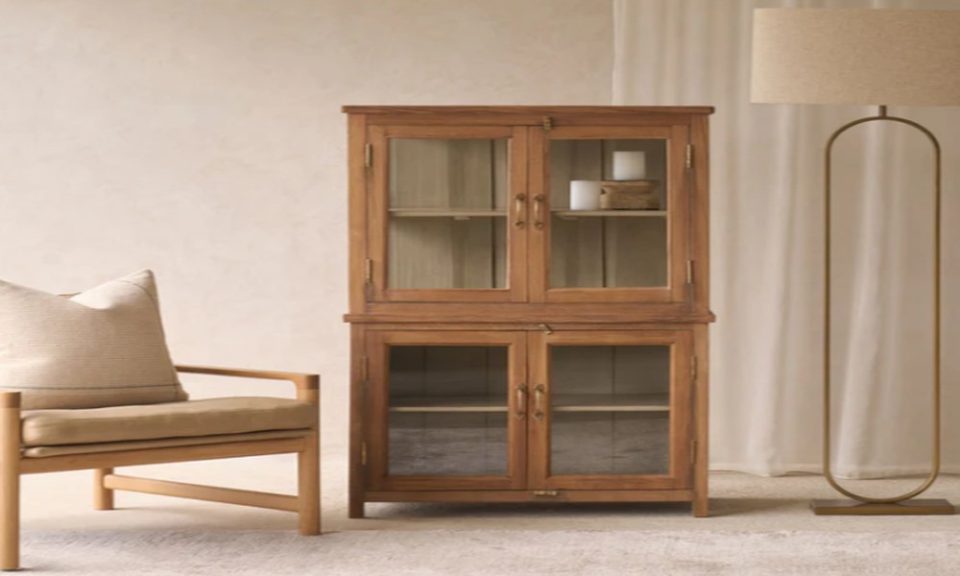
Storage planning in Singapore is a technical requirement driven by high-density living and tropical humidity. With the average 4-room HDB flat measuring approximately 90 square metres, maximising vertical and internal cabinet space is essential for maintaining household organisation. Choosing the right cabinet in Singapore involves a three-pronged approach: spatial mapping, material durability assessment, and budgetary alignment with local market rates.
Understanding Cabinet Needs in Singapore Homes
Cabinet needs are determined by the specific footprint of the property, whether an HDB BTO, a resale flat, or a private condominium. Compact apartments require a “storage-to-floor-area” ratio that prioritises multi-functional units.
To optimise a layout, homeowners must categorise storage into three zones:
- Active Storage: Frequently used items placed between 75cm and 160cm from the floor.
- Passive Storage: Items used occasionally, stored in top-hung cabinets or deep base units.
- Dead Storage: Seasonal items placed in hard-to-reach areas like plinths or ceiling-height compartments.
Evaluating Storage Options for Different Rooms
Specific rooms in Singaporean homes dictate the technical specifications of the cabinetry. Providers of storage cabinets in Singapore typically differentiate between kitchen, bedroom, and utility configurations based on depth requirements and load-bearing needs.
- Kitchen Cabinets: Standard depths are 600mm for base units and 350mm for wall-hung units to accommodate built-in appliances like ovens and hobs.
- Wardrobes: Typically require a minimum depth of 600mm for hanging clothes or 450mm for folded storage.
- Study Areas: Focus on shallow 300mm-400mm depths to maintain circulation space in smaller rooms.
Material Selection for Singapore’s Tropical Climate
In 2026, material selection is the primary factor in cabinet longevity. Singapore’s average humidity of 84% requires materials that resist warping, delamination, and fungal growth. Wooden cabinets for home use must be evaluated based on their core and finish.
| Material Type | Pros | Cons | Ideal For |
| Solid Wood | Aesthetic appeal, repairable | Prone to warping in humidity | Living room feature walls |
| Plywood (Veneer) | High moisture resistance | Higher cost than MDF | Kitchen and bathroom |
| MDF (Medium Density Fiberboard) | Smooth finish, cost-effective | Absorbs water; may swell | Bedrooms and study |
| High-Pressure Laminate (HPL) | Durable, heat-resistant | Visible join lines | High-traffic kitchens |
Planning Custom Cabinet Solutions
Custom cabinets Singapore projects offer the advantage of “seamless integration,” where units are built from floor to ceiling to eliminate dust traps and maximise volume. Customisation is particularly useful for concealing household bomb shelters (common in HDB flats) or navigating structural beams and pipes.
Modern Cabinet Design Principles: Form and Function
Modern cabinetry in 2026 emphasises “cognitive ease” and minimalist aesthetics. Key design trends include handle-less “tip-on” mechanisms, integrated LED lighting, and matte, anti-fingerprint surfaces. These principles reduce visual clutter in small spaces and lower the maintenance overhead for busy households.
Cabinets for Living Room Organisation
Living room cabinets in Singapore are increasingly modular. Floating TV consoles are preferred to maintain a visible floor area, which makes a room feel larger. For 2026, smart integration is a standard requirement; cabinets must include cable management systems and ventilated compartments for media servers and gaming consoles to prevent overheating.
Budget Planning and Cost Management in 2026
Homeowners should allocate 30% to 50% of their total renovation budget to carpentry, as it is often the most significant fixed-cost item. To manage costs effectively:
- Internal Carcass: Use white PVC for internal shelving and only use premium wood-grain laminates for visible surfaces.
- Modular vs. Built-in: Use off-the-shelf units for study rooms while reserving custom budget for the kitchen and master wardrobe.
- Hardware Selection: Use soft-close hinges selectively for high-traffic doors rather than every cabinet in the house.
Installation Planning and Space Accuracy
The success of a cabinet installation depends on “site readiness.” Singaporean walls are rarely perfectly plumb; therefore, installers use “fillers” (strips of matching material) to bridge gaps between the cabinet and the wall. Precise measurements should only be taken after floor screeding and tiling are complete to ensure a perfect fit.
Hardware and Functional Details
Hardware is the “engine” of the cabinet. In the local market, brands like Blum or Hafele are benchmarks for durability.
- Hinges: Must be clip-on for easy maintenance.
- Runners: Undermount runners are preferred for drawers as they are hidden and support higher weight capacities (up to 30kg).
- ABS Trimming: Every cabinet door edge in Singapore should have 1mm or 2mm ABS (Acrylonitrile Butadiene Styrene) trimming to prevent the laminate from peeling due to moisture.
Maintenance and Long-Term Care
To prevent “cabinet sag” (warping of shelves under weight), long shelves should not exceed 800mm without a vertical support. In Singapore’s climate, using silica gel packs or small dehumidifiers inside wardrobes can extend the life of both the cabinet and the stored contents. Regular tightening of hinge screws every 24 months prevents doors from becoming misaligned.
Balancing Storage Capacity and Visual Flow
A common mistake in Singapore homes is “over-carpentry.” When too many walls are covered in cabinets, it reduces natural light and airflow. Designers recommend the 60-40 Rule: 60% of storage should be closed (to hide clutter), and 40% should be open or glass-fronted (to maintain a sense of depth).
Future-Proofing Cabinet Choices
Future-proofing involves designing for flexibility. Adjustable shelf pin systems allow for the reconfiguration of internal spaces as family needs change-such as converting a nursery wardrobe into a student’s desk storage. Selecting neutral “timeless” laminates also ensures that the home remains appealing for potential resale.
Frequently Asked Questions
How can cabinet layouts suit small Singapore homes?
Efficient layouts utilise vertical space (floor-to-ceiling units) and multi-functional designs, such as Murphy beds with integrated side cabinets or bay-window storage benches.
Are custom cabinets more expensive than standard options?
Yes. In Singapore, custom cabinets typically cost around 20-40% more because they require site-specific workmanship, involve higher material wastage, and often use premium core materials such as solid plywood rather than chipboard.
Which materials suit humid environments like Singapore?
The most durable materials are Marine-grade plywood, High-Pressure Laminate (HPL), and stainless steel for wet areas. Avoid untreated particleboard as it tends to swell when exposed to high humidity.
What is the average cost of cabinets in Singapore for 2026?
Current market rates for custom carpentry range from S$110 to S$350 per foot run, depending on the item (e.g., shoe cabinets vs. wardrobes) and selected hardware.
Timeless Storage for Modern Singaporean Homes with Originals
Effective cabinet planning in Singapore requires balancing space efficiency, material durability, and long-term usability within compact living environments. By aligning storage layouts with daily usage patterns and selecting climate-resistant materials, homeowners can create functional systems that remain practical over time while maintaining visual clarity.
For those exploring distinctive storage options that combine practicality with design character, considering curated and well-crafted cabinetry can support both aesthetic and functional goals in modern homes.
Discover storage solutions that suit your space and lifestyle today.
